Films We Found: Toronto International Film Festival 2026

Our Film Hub Midlands Membership Coordinator, Eirini Antonaki, went to the Toronto International Film Festival 2026 of her own accord and shares her highlights, experiences, and the upcoming films to watch out for.
Blog written by Eirini Antonaki
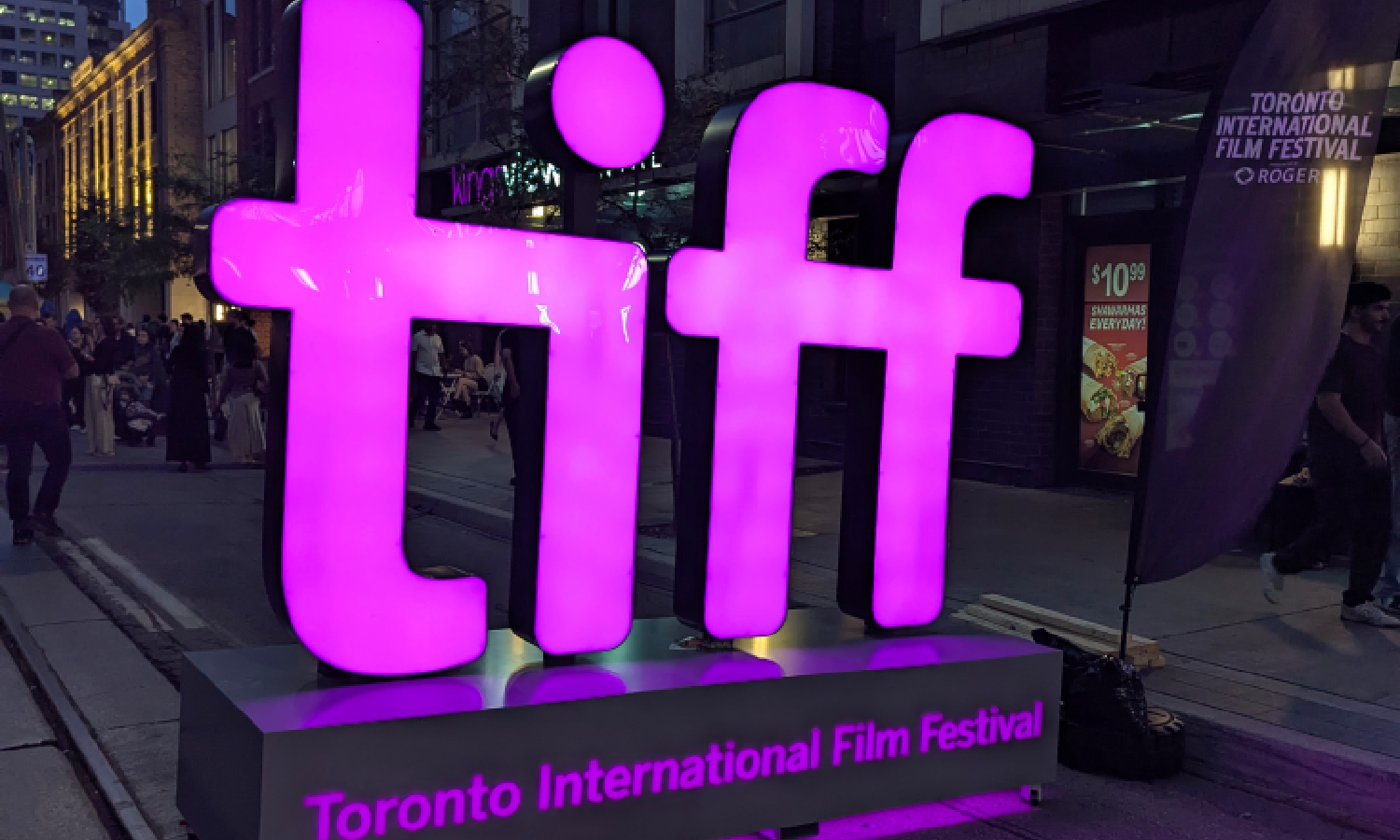
Toronto International Film Festival (TIFF) was more than just a week-long festival; for the first few days, the whole city transformed into one big celebration of cinema. The festival was the main headline on local news from 5 am, while King Street became Festival Street with red carpets, celebrity sightings, product promotions, the Fellini Forever exhibition and sticker machines for the Inside Out 2SLGBTQ+ Film Festival. TIFF Cinema Park also showed a free film every night throughout the festival.
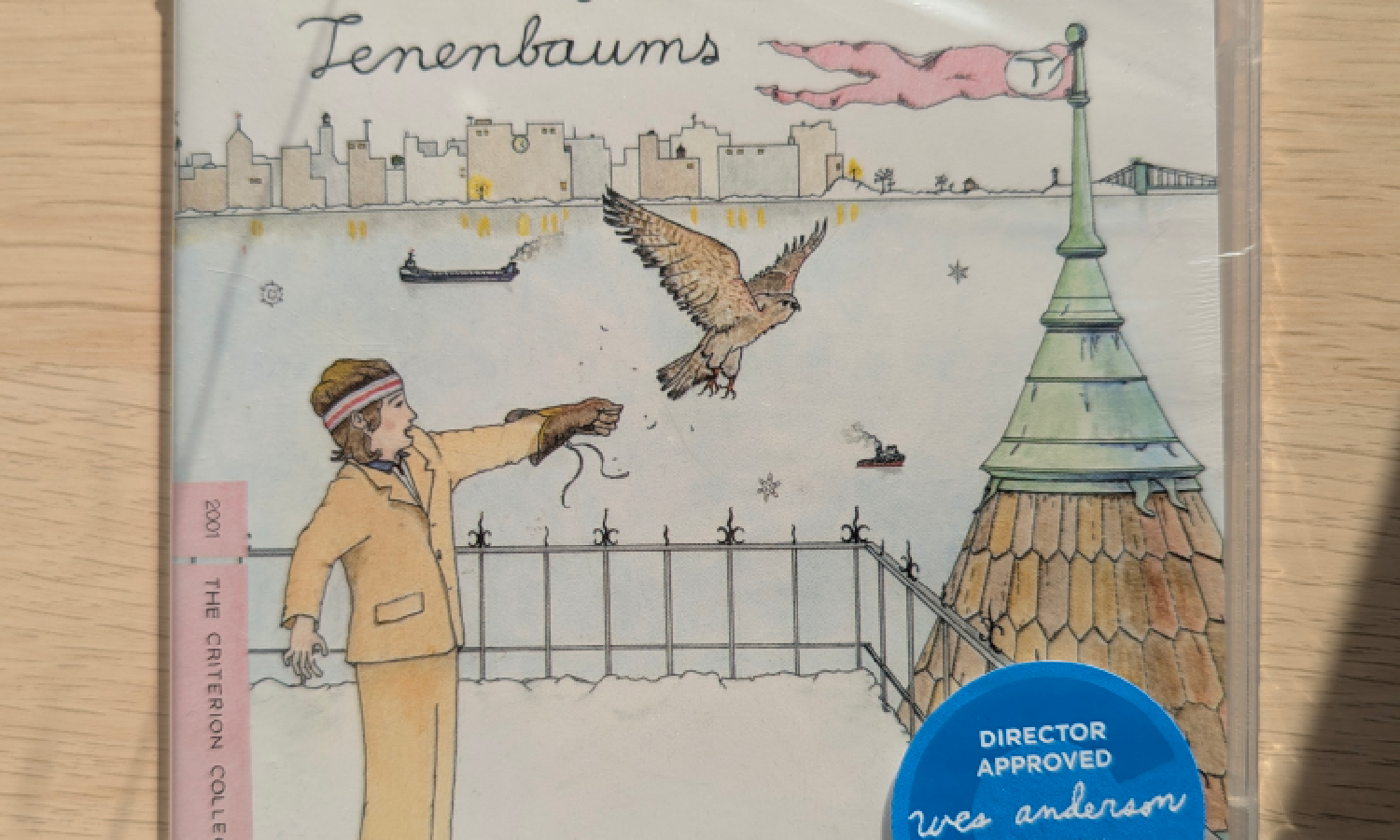
On top of that, there were more festival zones, fan red carpets and outdoor cinemas set up in Yorkville. The Criterion Collection also opened a shop at the Cinema Cellar, just steps from Scotiabank Theatre and TIFF Lightbox. Of course, I had to queue and came away with a copy of The Royal Tenenbaums, with some incredible artwork.
In four and a half days, I managed to see nine films, from Nanni Moretti’s It Will Happen Tonight to Niki Byrne’s World Premiere of The Julia Set, with Chase Infiniti, Jason Isaacs and Gillian Anderson, and Rodrigo Sorogoyen’s The Beloved, starring Javier Bardem and Victoria Luengo. Alongside the screenings, I attended conversations with Gary Oldman and Andrew Scott, spotted a handful of celebrities, and spent time with hundreds of cinephiles discussing films in the countless queues before and between screenings. I was also invited to UNITED AT TIFF, an industry event celebrating UK films and talent.
To see all the UK film world premieres at TIFF, which will soon be screening at BFI London Film Festival, visit: Screen UK.
For those who prefer to know exactly what their day will look like and don’t particularly enjoy queuing for hours, TIFF might not be your cup of tea. TIFF: The Market screenings, are a bold new expansion, bringing together professionals from across film, series, and innovation to buy, sell, finance, pitch, and discover great content. Operated on a first-come, first-served basis without tickets. For my first film, Mike Leigh’s Tender Loving Care, I queued 40 minutes early but was among the last to be allowed in. Popular screenings meant queuing for an hour or more, while even ticketed events required an early arrival to ensure a smooth entrance.
I found Cannes and Venice to be more structured, with less time spent queuing, as you had your ticket and were generally advised to arrive 30 minutes before the film. Nevertheless, TIFF was a fantastic experience, and one I’m already looking forward to repeating in the future.
Eirini's Film Highlights
Elephants in the Fog
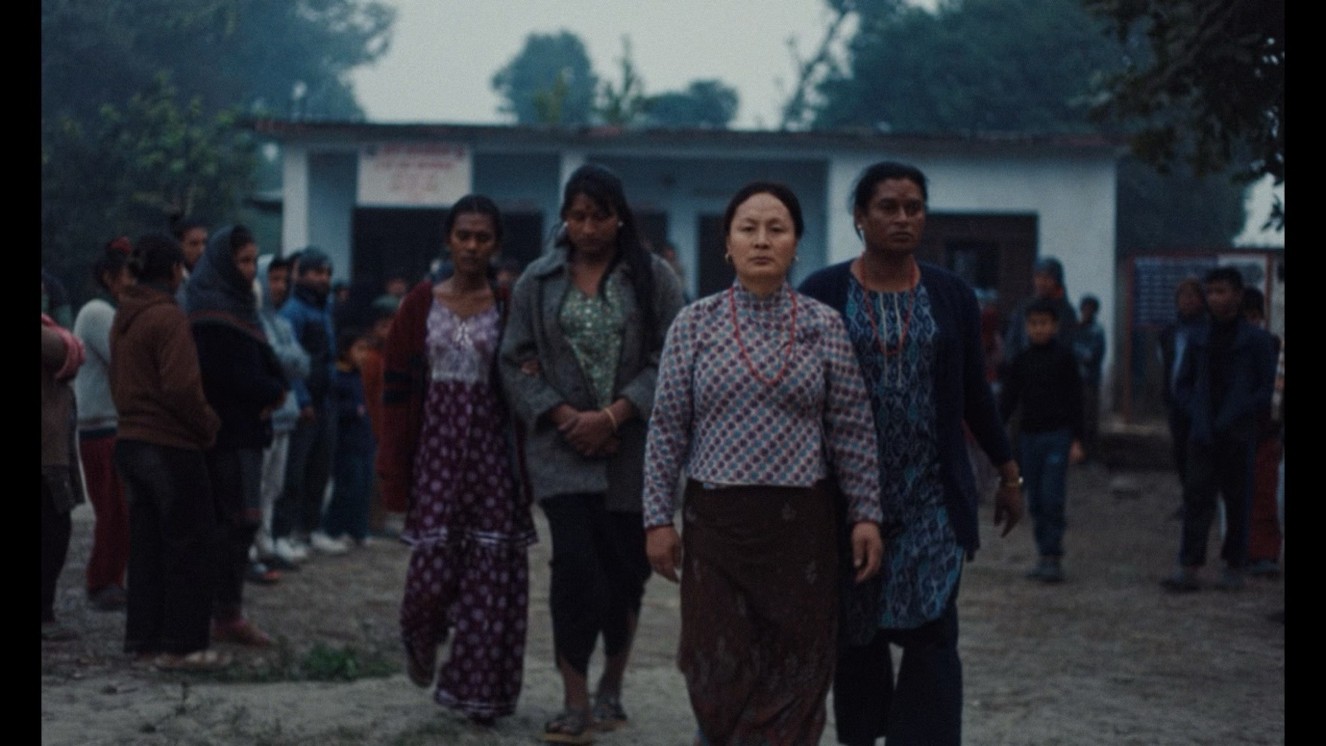
Director - Abinash Bikram Shah | Cast - Pushpa Thing Lama, Dol Bahadur Sharma and Aashant Sharla| Nepali | Awards - Jury Prize of Un Certain Regard
Set in a remote Nepalese village surrounded by forests and wild elephants, Elephants in the Fog follows Pirati (Puspa Thing Lama), the matriarch of a Kinnar community made up of third-gender individuals with their own traditions and rituals. Pirati's life becomes complicated when she falls in love with a man and secretly dreams of leaving for Delhi, challenging her responsibilities as the community's leader. When her daughter Apsara disappears into the forest following an argument, Pirati must confront the consequences of her choices and search for her. This is an incredible film, with sensitive performances by non-actors set against astonishing landscapes and traditions. It explores what it means to care for others while still wanting the freedom to choose your own path. The film won the Jury Prize - Un Certain Regard at Cannes and was selected by Nepal's International Feature Film Selection Committee for the Best International Feature Film at the 99th Academy Awards.
Puspa Thing Lama joined us for the Q&A at the Scotiabank Theatre during the public screening and explained that, as an activist rather than an actor, it is incredibly important to her that this film reaches as many audiences as possible.
She is currently working with the Government of Nepal to create a care home for the Kinnar community, expressing her concern about who will look after them when they are older - a worry that, ultimately, every one of us can understand!
The Debut
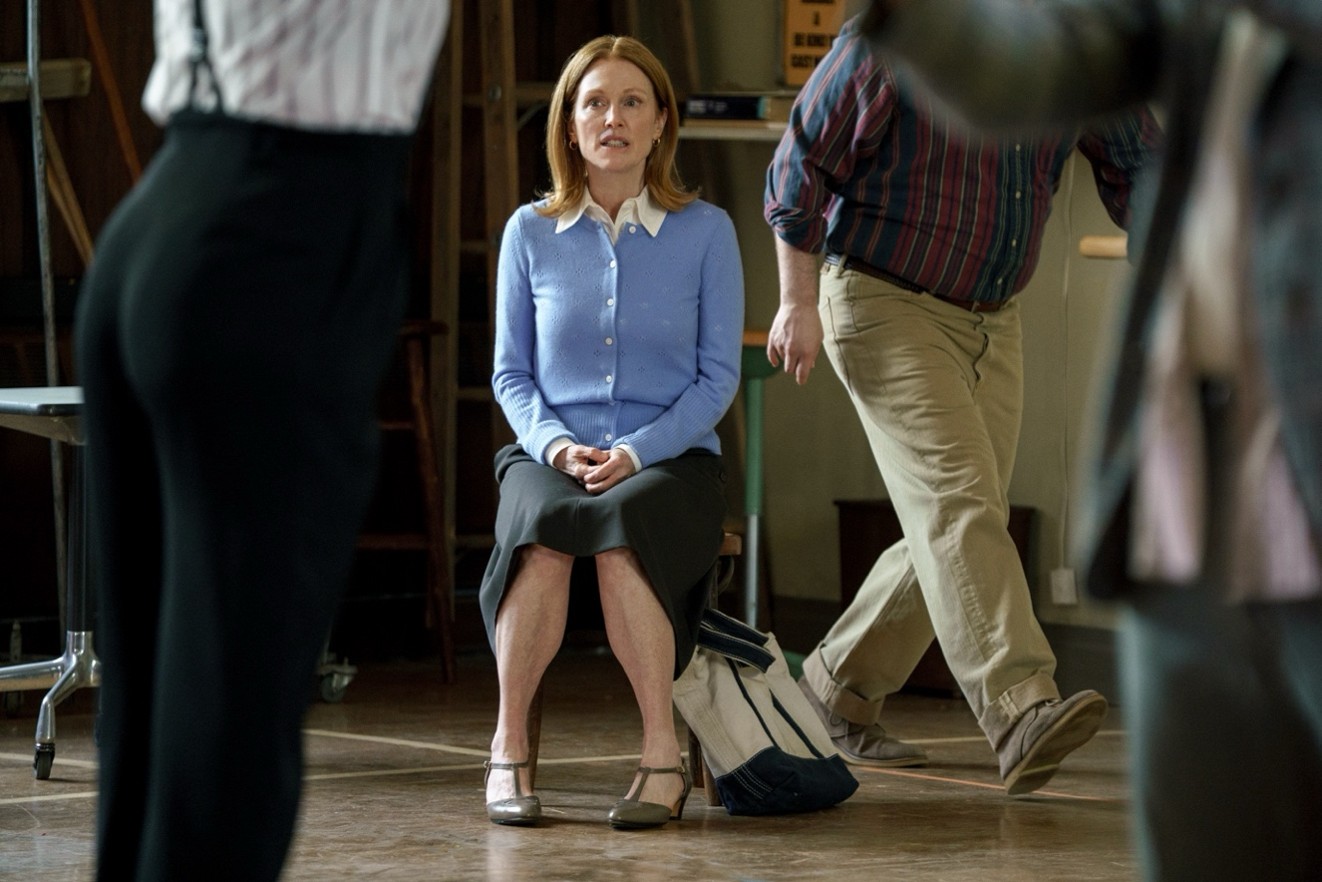
Director - Jesse Eisenberg | Cast - Emma Stone, Dave McCary and Ali Herting
And the Oscar goes to… Julianne Moore!
Quick, fun and snappy, Jesse Eisenberg’s latest film grabs your attention from the very first minute. Mona Friedman, a suburban housewife feeling trapped by routine, finds an unexpected escape when she auditions for a local community theatre production and lands a leading role. Under the demanding direction of Jerry (Paul Giamatti), she becomes increasingly consumed by the challenge of delivering the perfect performance, taking method acting to hilarious extremes. Writer-director Jesse Eisenberg brings sharp, dark humour to this story of ambition, identity and the often-absurd intensity of community theatre. At its centre is the brilliant Julianne Moore, who gives a standout performance as Mona. I could watch Julianne Moore fake-smoking for hours!
Bucking Fastard
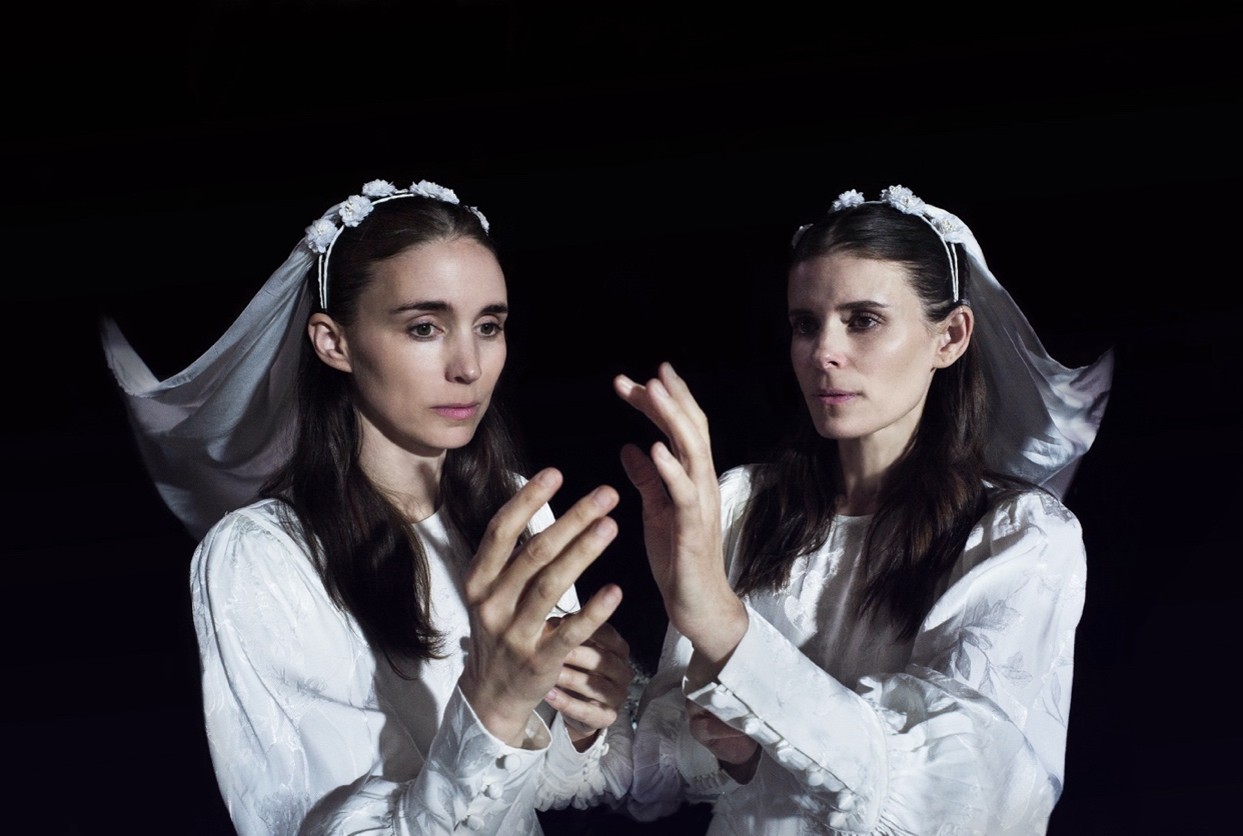
Director - Werner Herzog| Cast - Kate Mara, Rooney Mara, Orlando Bloom and Domhnall Gleeson
When a film begins with a dedication to David Lynch, it’s hard, as a Lynch and Herzog fan, not to watch it through that lens. The film tells the story of sisters Jean and Joan Holbrooke, played by real-life siblings Rooney and Kate Mara. The sisters speak in unison, dress alike, share the same dreams and, inevitably, fall in love with the same man, played by Orlando Bloom. After some initially innocent - but increasingly extreme - displays of their love, their complicated relationship must eventually be resolved in court. And who doesn’t love a good courtroom scene?
Hoping to escape the scrutiny surrounding their trial, the sisters embark on a journey in search of refuge and a new land where true love might exist. Somewhere like Atlantis? Or perhaps the Orkneys? Bucking Fastard feels almost like two completely different films once the second half begins, taking the story somewhere increasingly unexpected. The story is loosely inspired by the real British identical twins Freda and Greta Chaplin from York.
Being Heuman
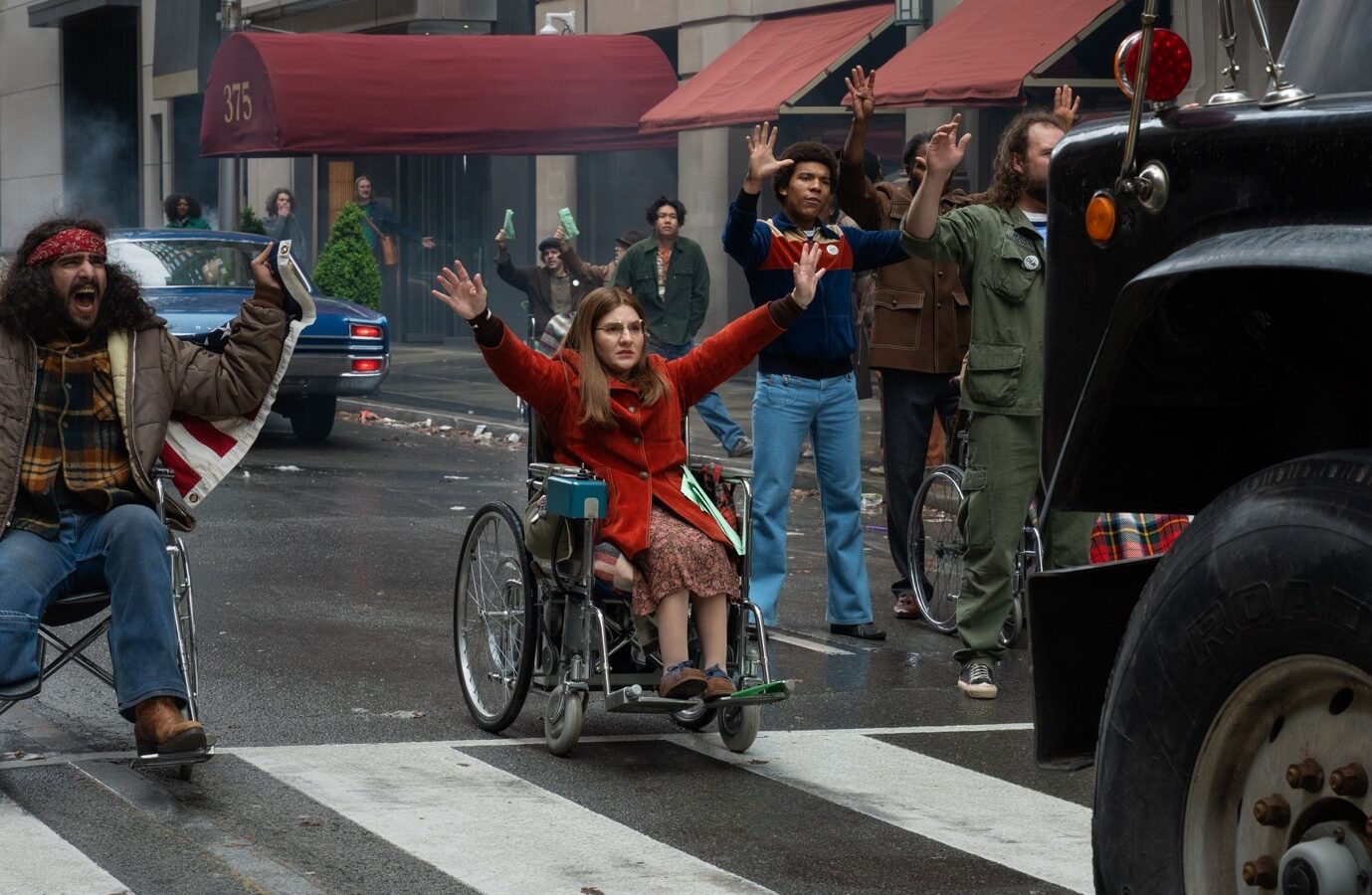
Director - Sian Heder | Cast - Ruth Madeley, Mark Ruffalo and Dylan O'Brien
In 1977, disability rights activist Judy Heumann (Ruth Madeley) leads a determined campaign to force the US government to uphold its commitments to people with disabilities. When officials refuse to implement Section 504 of the Rehabilitation Act, a landmark piece of legislation protecting disability rights, Judy rallies activists across the country, from occupying a federal building in San Francisco to taking their campaign to Washington, D.C. Ruth Madeley delivers a powerful central performance, and the film celebrates one woman’s determination to turn a seemingly impossible fight into lasting change.
As Judy says, “Are you inspired, or are you inspired to do something?” I hope audiences leave this film taking something with them - whether that is a different way of seeing things or the motivation to make a small or even significant change in their own work or lives. The film remains highly relevant today, offering a powerful reminder that collective action, determination and solidarity can turn seemingly impossible change into reality.
Babies
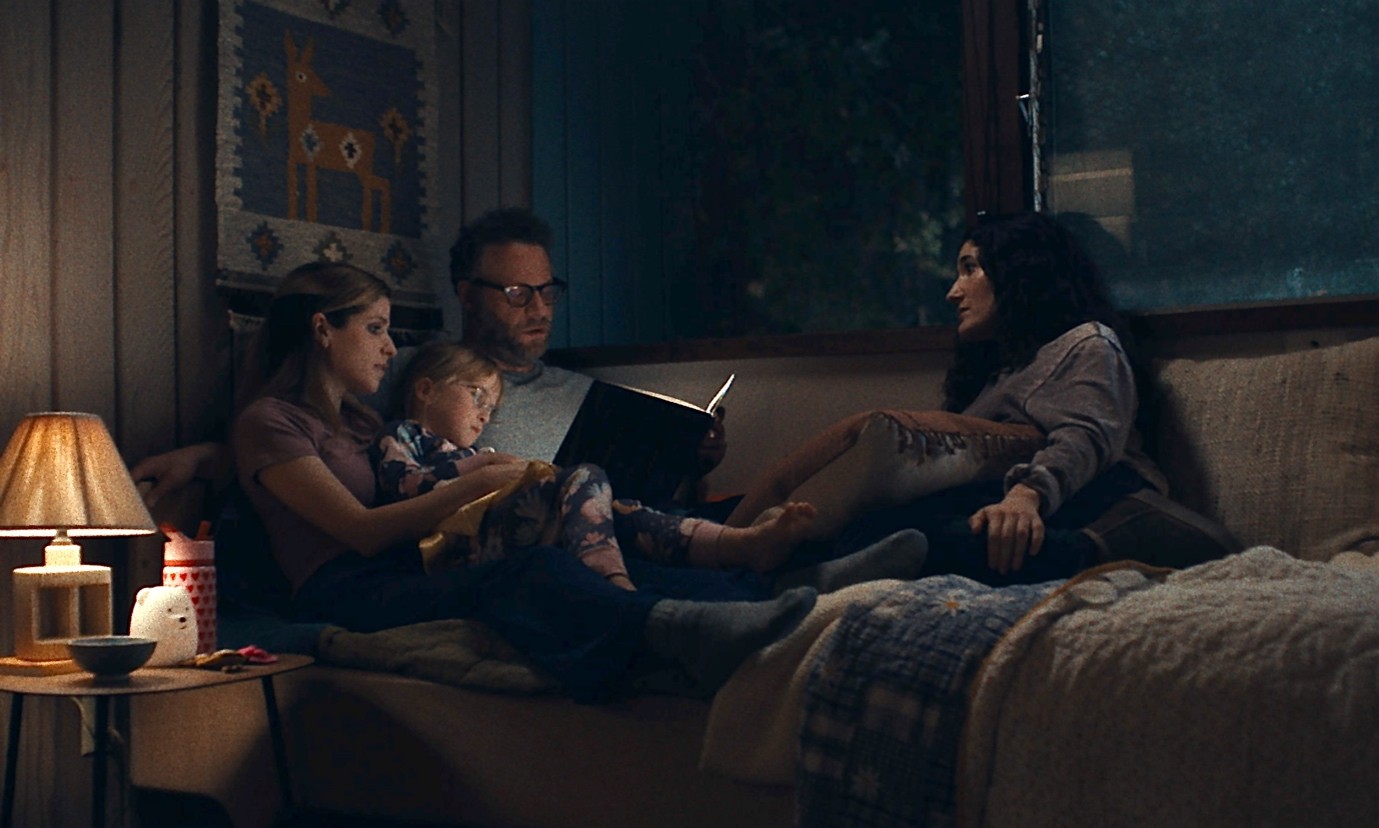
Director - Lauren Miller | Cast - Anna Kendrick, Sharon Stone and Issa Rae
Based on the personal experiences of Hollywood couple Lauren Miller and Seth Rogen, and starring Anna Kendrick and Seth Rogen, Babies asks the ultimate question facing many long-term relationships: to parent or not to parent? It’s a question that, despite living in 2026, is still casually asked of couples everywhere. Not every couple needs to get married or have children, and being a woman does not mean that you have to have children or experience motherhood. Yet you might be surprised by how many of the old expectations our parents and grandparents lived by are still around today.
The film starts with Annie’s voiceover, as she overthinks the pros and cons of having children at a friend’s house party. After years of saying “maybe” to the question of having kids, they get the chance to experience parenthood as a kind of test drive when one of their closest friends goes through a divorce and asks to stay with them. The film delivers everything you would expect from a mainstream comedy/drama; however, it is ultimately saved by a strong final monologue that offers its answer to that seemingly eternal question.